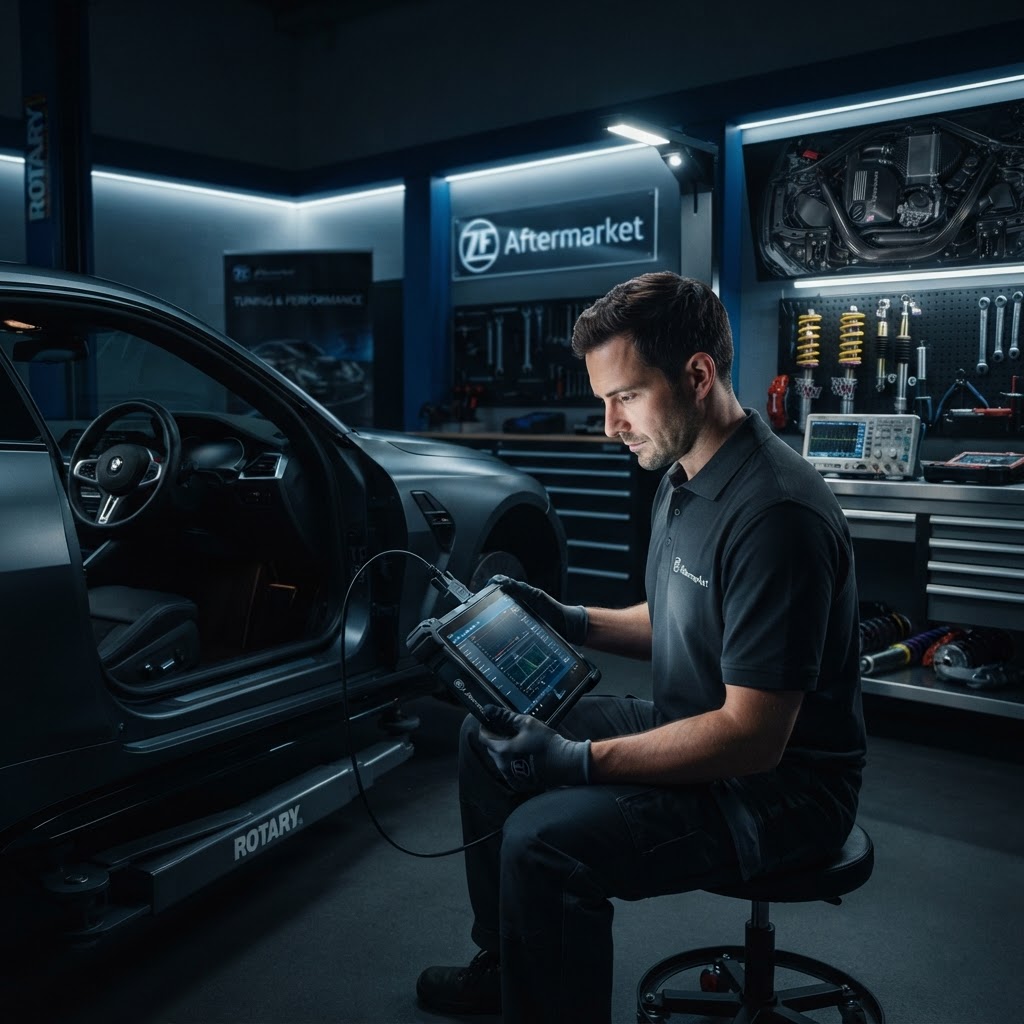
The automotive landscape is becoming increasingly digital, and this shift is fundamentally changing how we approach car modification. Recent insights from Automechanika Frankfurt 2026 highlight that vehicle software is now a critical layer of the aftermarket. For those of us who love to tinker, this means that simple mechanical swaps are often accompanied by the need for digital calibration. Whether you are installing new LED headlights that require coding or adjusting suspension geometry on a car equipped with electronic damping, access to diagnostic data is no longer optional. The rise of secure gateways in modern vehicles means that independent workshops and home mechanics must invest in multi-brand diagnostic tools to perform even routine tasks. At LJ-Automotive, we see this as an opportunity to embrace better technology. While the 'old school' way of tuning will always have its place, the ability to communicate with your car’s ECU is what separates a basic build from a professional-grade project. As we look toward 2027, the integration of digital tools will be the key to unlocking the full potential of your performance parts. Don't let software barriers stop your progress; staying informed and equipped with the right diagnostic hardware ensures you can continue to modify your vehicle safely and effectively. The future of tuning is digital, and it is time to get connected.
46 days until ChristmasShop the Christmas Gift Guide →Gift guide →