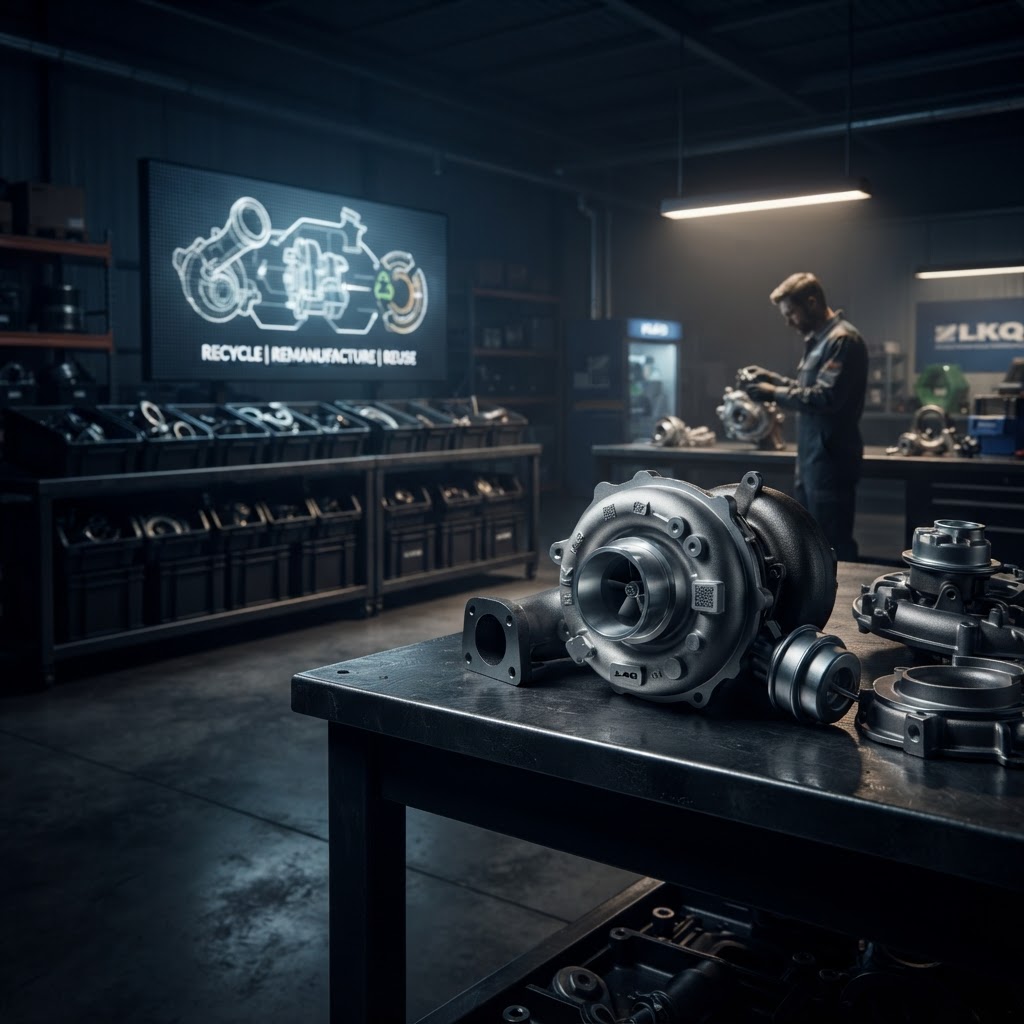
The European automotive landscape is undergoing a significant regulatory shift with the introduction of the new End-of-Life Vehicle (ELV) Regulation. As reported by LKQ Europe, this policy marks a fundamental change in how vehicles are designed, repaired, and eventually recycled across the continent. While many provisions are slated for 2029, the implications for the independent aftermarket are immediate as manufacturers begin adjusting their design philosophies to meet stricter circularity standards. For enthusiasts and DIY mechanics, this means the supply chain for replacement parts is evolving. As vehicles become more complex and the European car parc sees an influx of new manufacturers, the ability to source high-quality, sustainable components becomes paramount. Whether you are looking for suspension upgrades or body styling, understanding how these regulations influence part availability and material sourcing is essential for long-term vehicle maintenance. The focus on circularity is not just about recycling; it is about ensuring that the aftermarket remains a viable, cost-effective alternative to dealership servicing. By prioritising parts that meet these emerging standards, drivers can ensure their vehicles remain compliant and roadworthy for years to come.