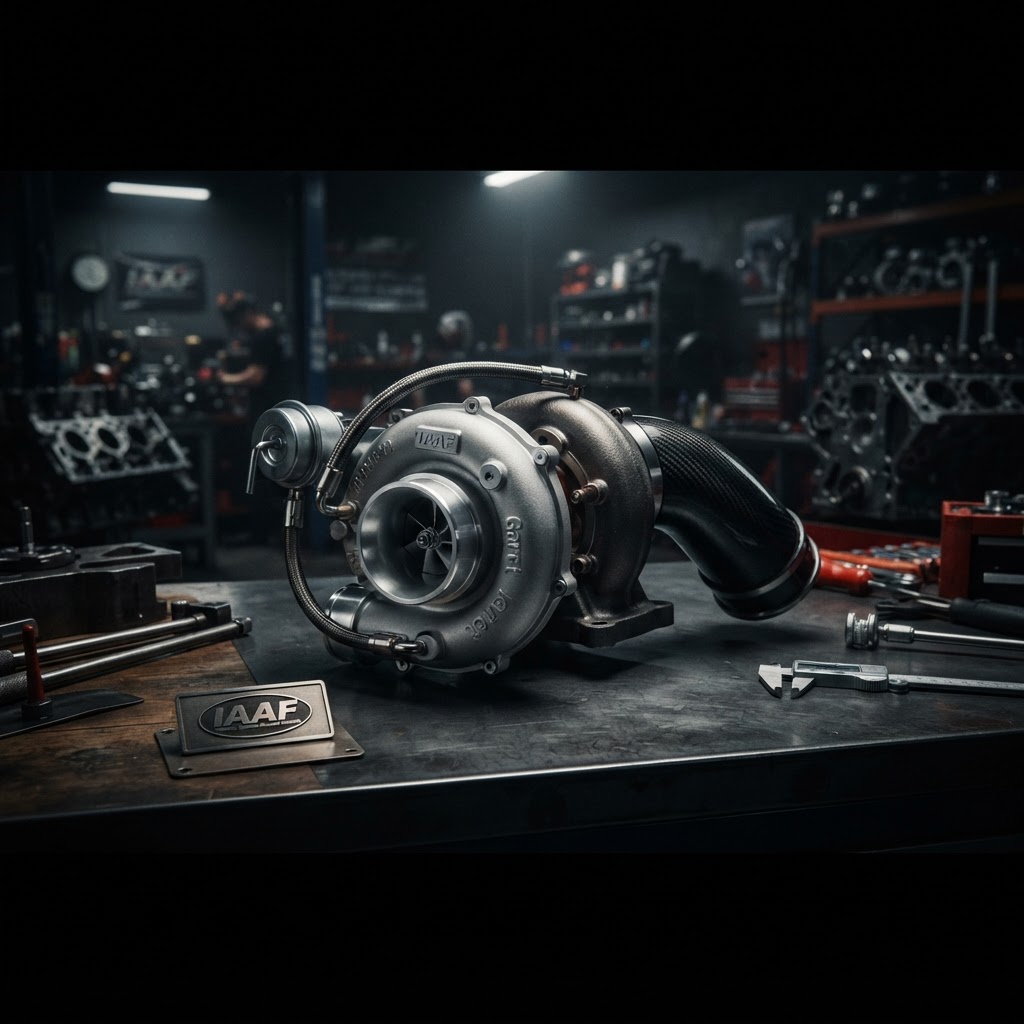
The automotive industry has been bracing for the impact of Euro 7 regulations, which represent a significant shift in how we view vehicle emissions. Unlike previous standards that focused solely on tailpipe output, Euro 7 introduces strict limits on particulate matter from brakes and tyres. For the UK aftermarket, this initially sparked concerns about the availability and development of compliant replacement parts. ## A Pragmatic Approach to Compliance The Independent Automotive Aftermarket Federation (IAAF) has successfully lobbied for a transition period, confirming that replacement brakes fitted to Euro 7 vehicles will not be subject to immediate, rigid enforcement. The Department for Transport (DfT) has committed to working with stakeholders to establish a realistic timetable for compliance. This is a massive win for the independent sector, ensuring that garages can continue to source high-quality, affordable parts without being stifled by premature regulatory hurdles. ## What This Means for Your Parts Selection As we move toward these new standards, the focus on material quality and durability is intensifying. Manufacturers are already innovating with laser-coated friction surfaces and advanced materials to reduce brake dust and rust. For the performance enthusiast, this shift is actually a positive development; it encourages the production of more durable, high-performance braking components that last longer and perform better under the stress of modern, heavier vehicles. Takeaway: The delay in strict Euro 7 enforcement for replacement parts provides the stability needed for the aftermarket to innovate, ensuring that your next brake upgrade remains both high-performance and fully compliant.
28 days until ChristmasShop the Christmas Gift Guide →Gift guide →
Cookies and tracking
We use cookies the store needs to work — your basket, sign-in and this choice. With your permission we also measure traffic and show relevant ads. Full detail in our Cookie Policy.