Car tuning has always been about more than just speed; it's a reflection of the culture and the era. From the early days of modifying the Volkswagen Beetle in Germany to the explosive growth of the 'golden era' of tuning between 1980 and 2010, the practice has constantly evolved. Today, tuning is more diverse than ever, with a focus on community, style, and performance optimization. ## The Roots of European Tuning In the early days, European tuning was heavily influenced by motorsport. Pioneers like Gerhard Oettinger in Germany and companies like Abarth in Italy set the stage by offering performance parts, including exhausts and conversion kits, for popular cars like the Beetle and the Fiat 500. In the UK, the Mini became a canvas for DIY enthusiasts, thanks to its simple mechanics and massive tuning potential. This spirit of personalisation laid the foundation for the aftermarket industry we know today. ## The Golden Era and Beyond The 1980s and 90s saw an explosion in tuning, with everything from body kits and lighting upgrades to high-end audio systems becoming mainstream. While some of the trends of that era—like neon lights and massive GT wings—have faded, the core desire to personalise and improve vehicle performance remains stronger than ever. Today, the focus has shifted toward more refined styles, with a heavy emphasis on suspension, wheels, and engine remapping to get the most out of modern platforms. ## Takeaway Tuning is a living, breathing culture that continues to adapt to new technologies and trends. Whether you are looking to install a set of coilovers, upgrade your headlights, or fine-tune your engine, you are part of a long tradition of enthusiasts who refuse to settle for stock. As we look to the future, the independent aftermarket will continue to play a vital role in keeping this culture alive and thriving.
34 days until ChristmasShop the Christmas Gift Guide →Gift guide →
All newsIndustry News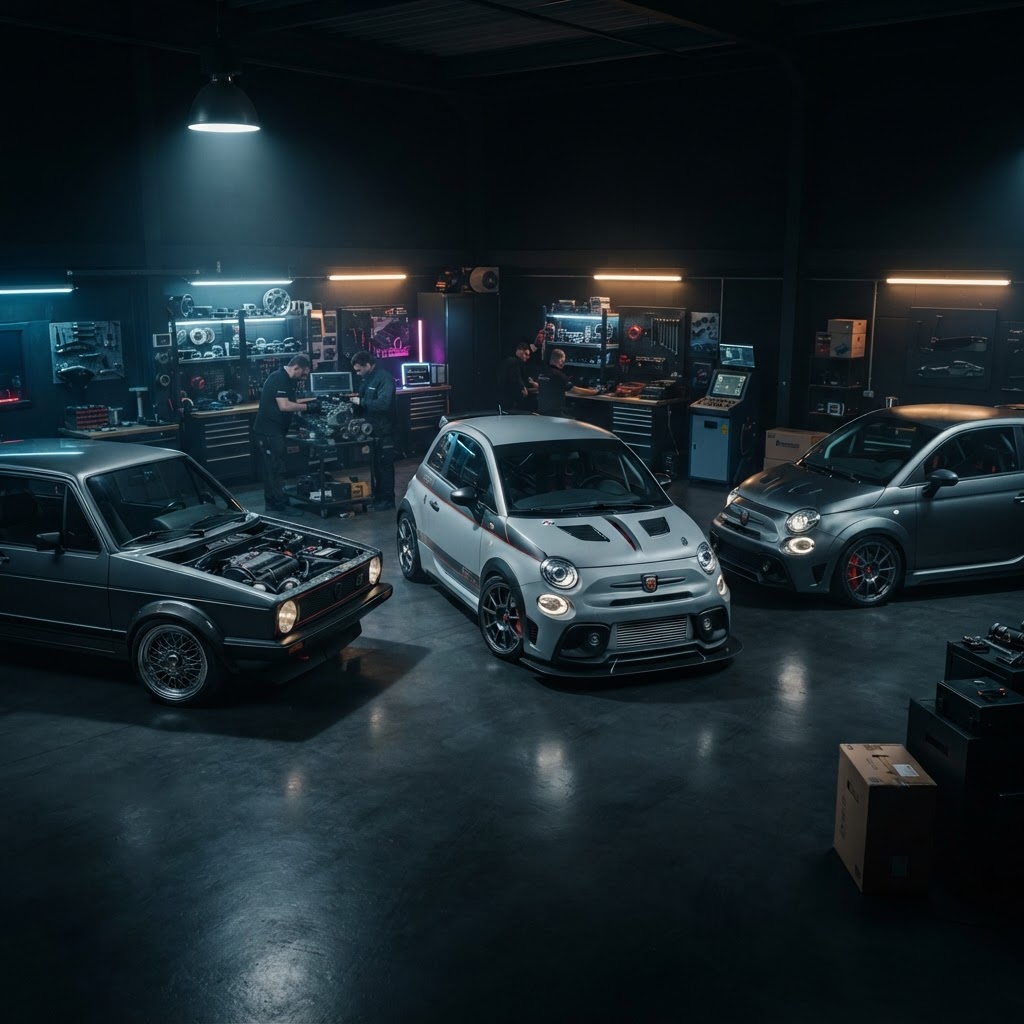


The Evolution of Car Tuning: From DIY Roots to Modern Performance Culture
21 November 2026·By LJ-Automotive Editorial·Source: DriftShop
Original source: This story was reported by DriftShop. Read the original reporting here .
Brands in this story
Parts mentioned in this story — shop now
TA Technix
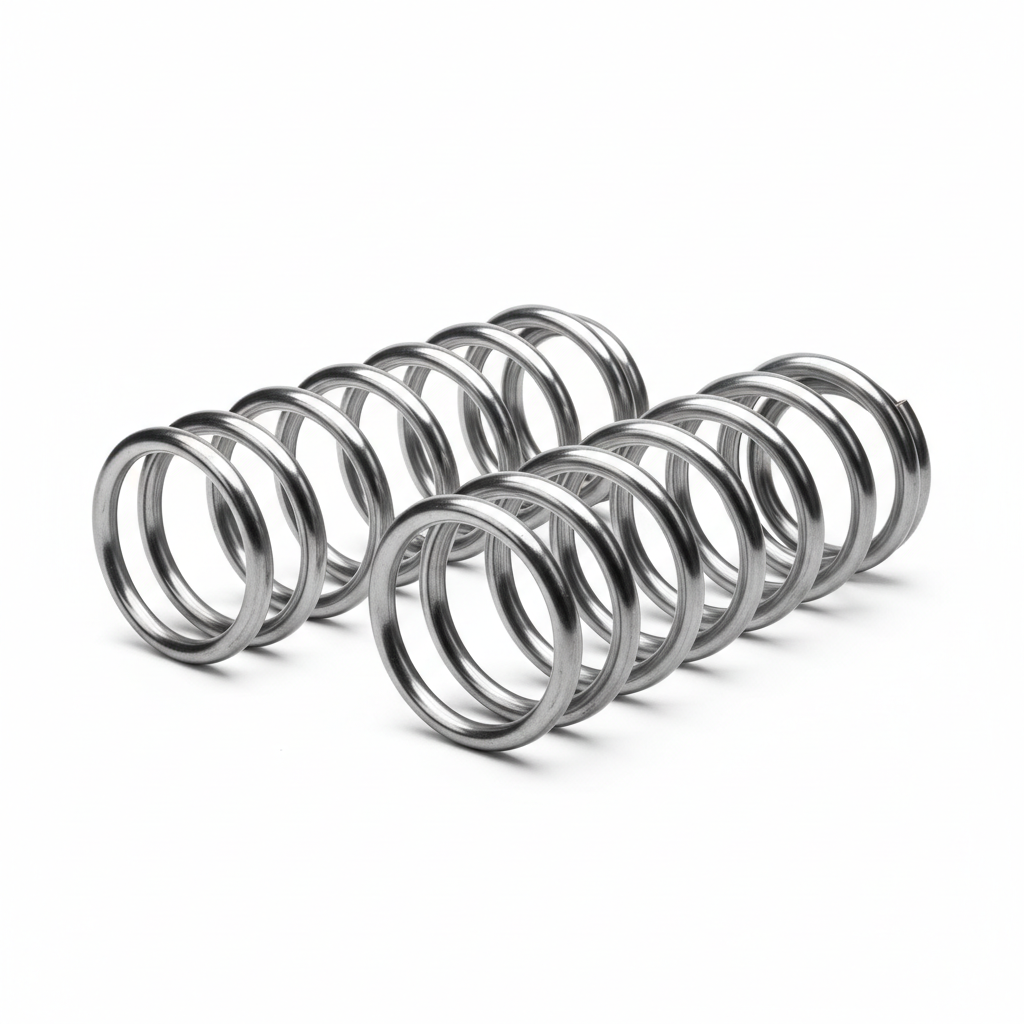
SuspensionTA Technix Lowering Springs - Fiat 500X (.2014 -)
£175.03£201.28
In stock · dispatched in 1–2 days
Lion Tuning
HeadlightsFull LED Headlights with Genuine DRL for VW T5 Multivan / Caravelle / Transporter, Black (Pair)
£662.99
Last one!Lion Tuning
HeadlightsLion Tuning Full LED Headlights (Real DRL) for VW T6 Multivan / Caravelle / Transporter, All Black, 2015-2019
£519.79
Last one!Lion Tuning
HeadlightsLion Tuning Full LED Headlights (Real DRL) for VW T6 Multivan / Caravelle / Transporter, Black & Chrome, 2015-2019
£450.00
Last one!