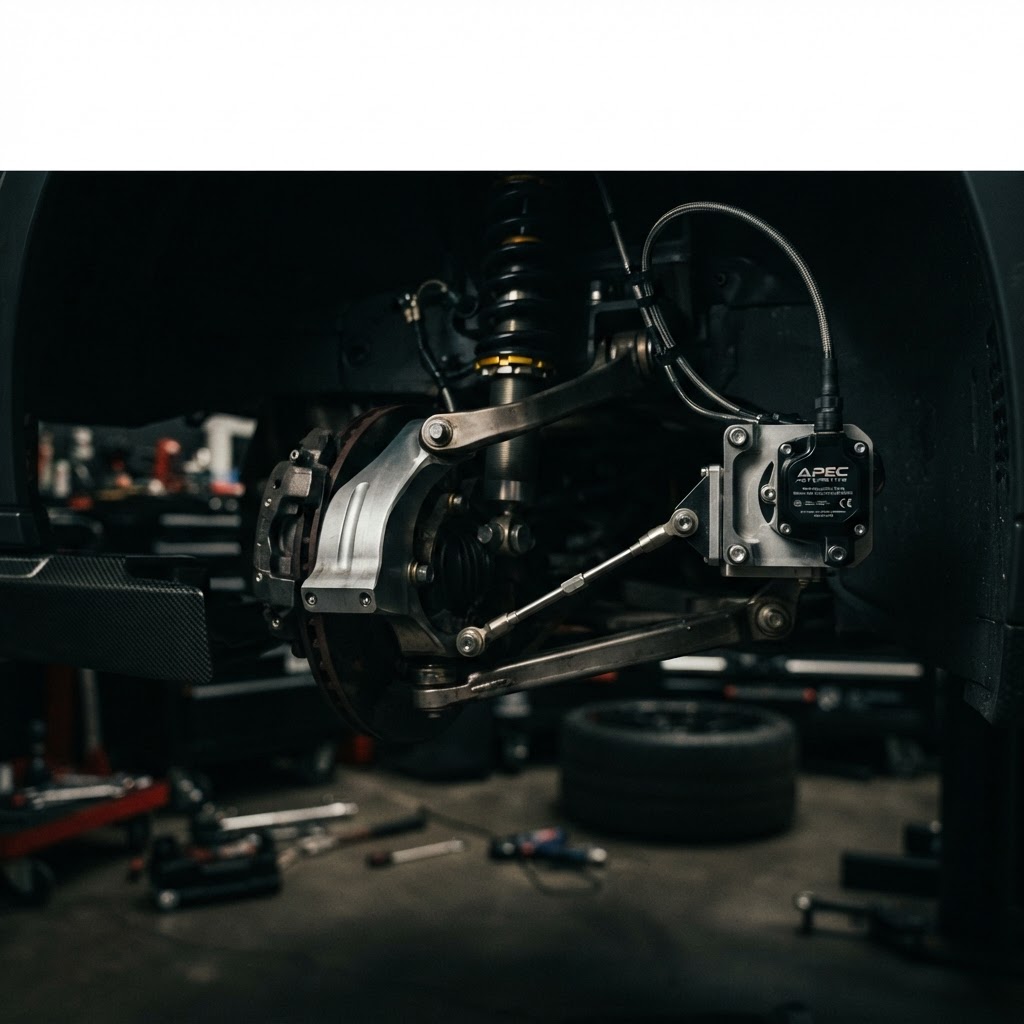
If you have been keeping an eye on the latest trends in suspension technology, you will have noticed that we are moving far beyond simple springs and dampers. Modern vehicles are increasingly reliant on complex electronic systems to manage ride quality, safety, and handling. A key component in this ecosystem is the ride height sensor. ## Why Sensors Matter Ride height sensors do exactly what the name suggests: they measure the distance between the vehicle's chassis and the suspension. This data is fed into the car's ECU to manage everything from headlight levelling—crucial if you have upgraded to high-performance LED headlights—to active suspension damping and stability control. As cars get heavier, particularly with the rise of EVs, the ability to dynamically adjust suspension in real-time is becoming the industry standard. ## A New Standard for the Aftermarket Recognising this shift, Apec Automotive has just launched a massive new range of over 150 ride height sensors. This is a game-changer for the independent aftermarket. Previously, these parts were often only available through main dealers at a premium. By bringing this level of coverage to the independent sector, Apec is making it easier for workshops and enthusiasts to maintain and repair these sophisticated systems without breaking the bank. Whether you are working on a high-end luxury saloon or a modern SUV, having access to these sensors is vital for ensuring that your suspension setup functions exactly as the manufacturer intended. If you are planning a suspension overhaul, it is worth checking if your vehicle uses these sensors, as they are often the unsung heroes that keep your car's handling sharp and your lighting perfectly aimed.
29 days until ChristmasShop the Christmas Gift Guide →Gift guide →