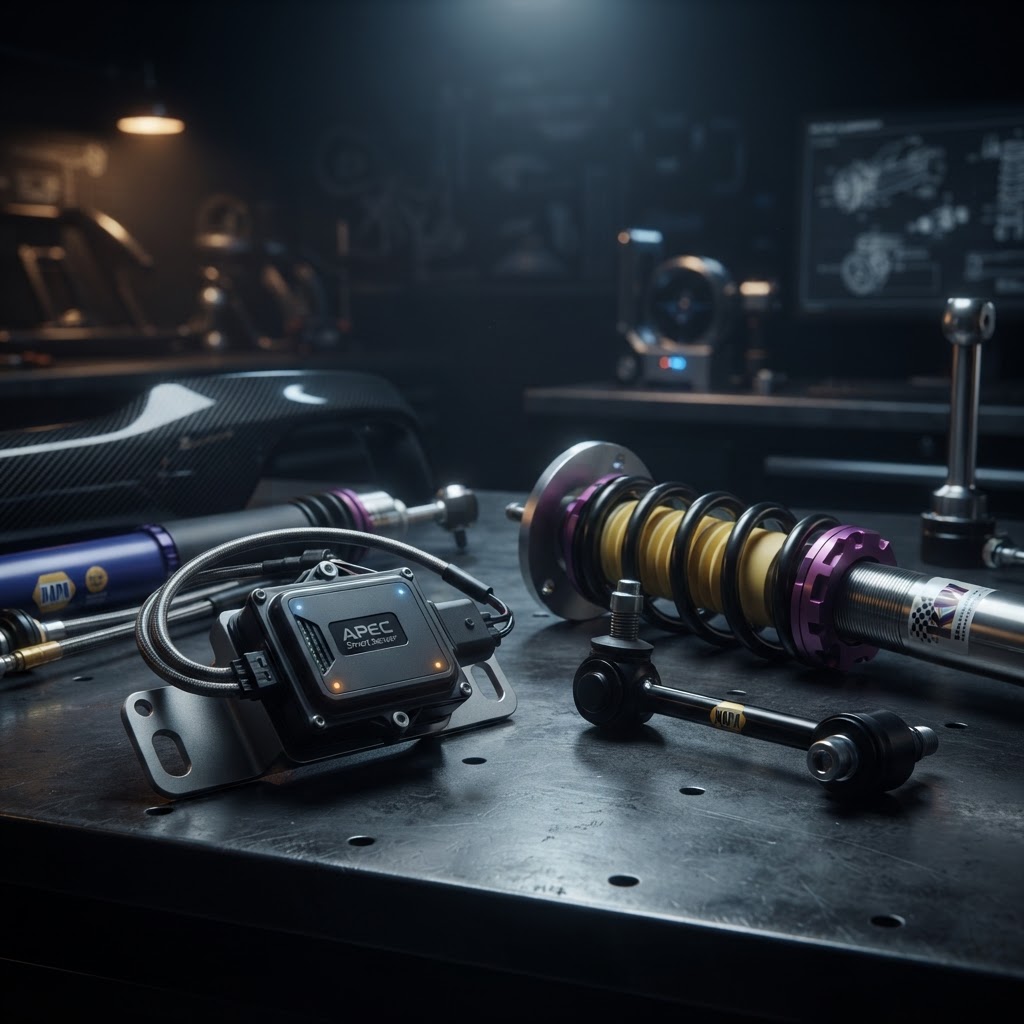
The automotive aftermarket is currently witnessing a surge in demand for precision electronic components, specifically ride height sensors. With major manufacturers like Apec Automotive and NAPA recently launching extensive new ranges covering over 150 part numbers, it is clear that the industry is adapting to the 'smarter' vehicle parc. These sensors are no longer just luxury items; they are critical inputs for modern suspension systems and Advanced Driver Assistance Systems (ADAS). For those of us who modify cars, this shift is significant. Whether you are installing a set of high-end coilovers from brands like KW or Bilstein, or simply performing routine maintenance, understanding how your vehicle's chassis communicates with its electronic brain is vital. A ride height sensor measures the distance between the chassis and the suspension, providing the real-time data necessary for active damping and headlight leveling systems to function correctly. As vehicles become more reliant on these sensors, the aftermarket is stepping up to provide OE-specification replacements that are weather-resistant and built to withstand the harsh conditions of UK and European roads. If you are planning a suspension overhaul, ensure your diagnostic tools are up to the task of calibrating these sensors. Precision is the new standard in performance tuning, and keeping these electronic links in top condition is the only way to ensure your car handles exactly as the engineers intended.
32 days until ChristmasShop the Christmas Gift Guide →Gift guide →